The Wedding Photography Shot List You Need
Quick Summary
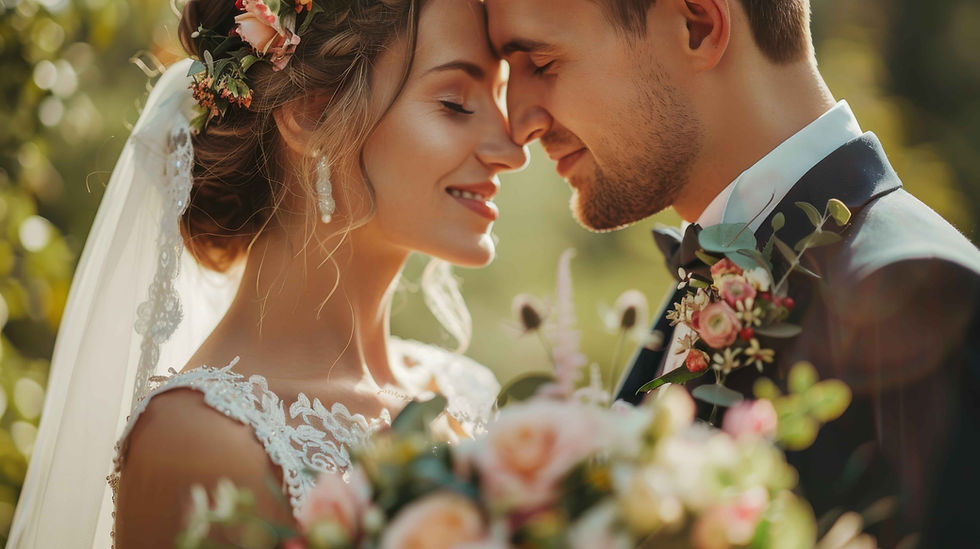
A well-prepared wedding photographer's shot list makes sure no important moment, person, or detail goes undocumented. This guide walks through the key categories every list should cover, from getting-ready moments to reception details, and offers practical advice on how to share the list with your photographer effectively.
Most couples approach their wedding day hoping their photographer will instinctively capture everything that matters. A great photographer will capture a great deal of it. But even the most experienced professional cannot know that your grandmother flew in from overseas, that the ring has a family inscription worth documenting, or that the first look location was the spot where you got engaged.
A thoughtful wedding photographer's shot list does not constrain your photographer's creativity. It gives them context. And context is what turns a good gallery into a truly personal one.
Getting Ready: The First Chapter of the Day
The getting-ready portion of the wedding day often sets the emotional tone for everything that follows. Even though it may feel less formal than the ceremony or reception, it is one of the most meaningful parts of the story.
When building your shot list for this section, focus on both details and relationships. Include items such as your dress, shoes, jewelry, perfume, cufflinks, and any sentimental objects like handwritten letters or family heirlooms. These elements help tell the story of your day in a visual, intimate way.
Equally important are the people present. Moments like a parent helping with final adjustments, a close friend offering reassurance, or a quiet pause before stepping into your dress often become some of the most emotionally resonant images in the entire gallery. These photographs tend to carry lasting significance because they reflect both presence and feeling, not just preparation.
Ceremony Coverage: The Heart of the Day
Most ceremony moments are universally understood and consistently captured: the processional, vows, ring exchange, first kiss, and recessional. These are foundational and will be documented without needing instruction.
A strong shot list adds depth beyond the expected. Consider specific guests whose reactions matter most to you – parents in the front row, grandparents witnessing the ceremony, or siblings experiencing the moment emotionally. Even candid, human details such as laughter, tears, or children reacting unpredictably can add richness to the story.
If your ceremony includes cultural or religious traditions, it is helpful to briefly explain them in your shot list, so your photographer understands what is happening and why it matters. This ensures no meaningful ritual is missed or misunderstood.
For couples planning a Chicago wedding photography at historic or architecturally rich venues, it is also worth asking your photographer to capture establishing shots of the space itself.
Portraits: Making the Most of Your Time
Portrait time is often the segment couples find most stressful, which is ironic given that it produces some of the gallery's most-viewed images.
A clear shot list helps move things along without leaving anyone important out. Family formals should be organized in advance, not improvised on the day. Group your required combinations in a logical order, for example, the largest groups first, then breaking down into smaller family units.
Keep the list tight. The more combinations you request, the longer it takes, and portrait time runs short quickly.
For couple portraits, the shot list can be looser. Trust your photographer to work creatively, but do mention any specific locations at the venue that matter to you, or any particular quality of light or setting you have seen in their portfolio that drew you to them. The wedding experience at this stage should feel collaborative, not prescriptive.
Reception Details: Where Storytelling Lives
The reception is where personality and celebration are most visible, and your shot list should reflect the details you have carefully chosen.
Include key design elements such as table settings, floral arrangements, the cake, signage, escort displays, and any custom décor that reflects your story as a couple. These details often represent significant planning and deserve intentional documentation.
For scheduled events, list the moments that matter most: the first dance, parent dances, speeches, cake cutting, and any cultural or family traditions. If there are surprise performances or unique moments not obvious from the timeline, they should be clearly noted so your photographer can anticipate them.
The more clarity provided in advance, the more effectively your photographer can position themselves to capture moments as they unfold naturally.
How To Share Your Shot List Effectively
Timing and structure are just as important as content. Ideally, your shot list should be shared two to four weeks before the wedding day. This allows your photographer time to review it, ask questions, and integrate it into the overall timeline.
Organize your list chronologically whenever possible, grouping items by part of the day rather than by category. Photographers work in real time, so a timeline-based structure is far more practical and usable during the event itself.
A well-prepared shot list becomes a planning tool, not just a checklist.
At Mandelette Photography, we work through your shot list with you as part of our planning process, making sure every important person and moment is accounted for before the day arrives. If you are ready to start building your wedding photography plan with a team that takes the details as seriously as the big moments, get in touch with us today.
FAQs
How long should a wedding photographer's shot list be?
A practical shot list typically includes 15 to 30 key items across the entire day. The focus should be on important people, meaningful details, and specific moments that would not be obvious without context. Overly long lists can slow down the day and limit creative flexibility.
Should I share my shot list with my wedding planner, too?
Yes. Sharing your shot list with your planner or coordinator is highly recommended. They play a key role in organizing family members and ensuring portrait sessions run efficiently, which helps keep the entire timeline on track.
What if my photographer does not want to use a shot list?
Some photographers prefer a more fluid, documentary approach and may not rely heavily on structured lists. Even in those cases, it is still appropriate to share essential family groupings and any unique or culturally significant moments so nothing important is overlooked.
Comments